Malibu Prices Are Down. The Home You're Actually Buying Probably Isn't.
September 17, 2026
September 17, 2026
As of March 2026, the median home sale price in Malibu sat at $4.8 million, down 13.6% year over year, with price per square foot off nearly 30% over the same stretch. Listings are also sitting longer: the average Malibu home took 175 days to sell in March, compared with 58 days the year before. On paper, that reads like a market that's cooled across the board, a coastal luxury zip code where sellers have lost leverage and buyers can finally negotiate.
Run that assumption against an actual offer and it falls apart fast. The 13.6% figure is an average of two markets that are moving in opposite directions, and if you don't know which one your target property belongs to, you'll misprice it in either direction. A buyer comparing an intact, turnkey home against that headline number is often pricing against comps that have nothing to do with the house in front of them.
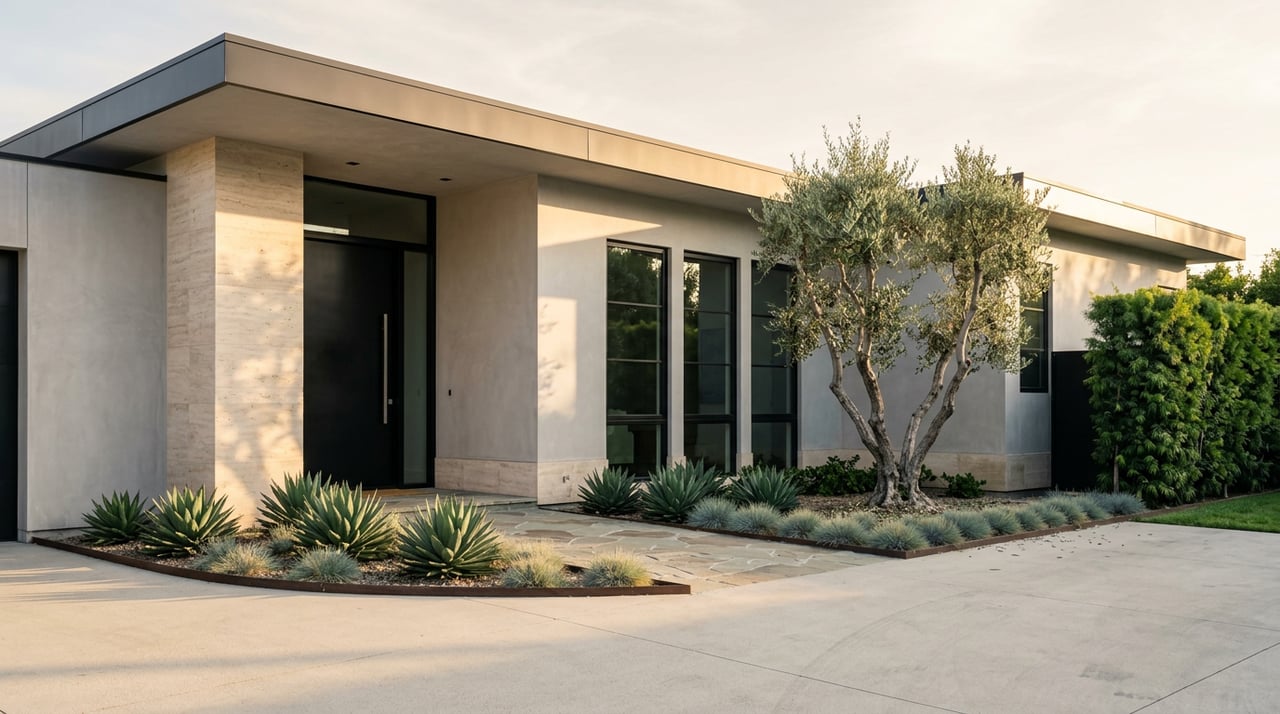
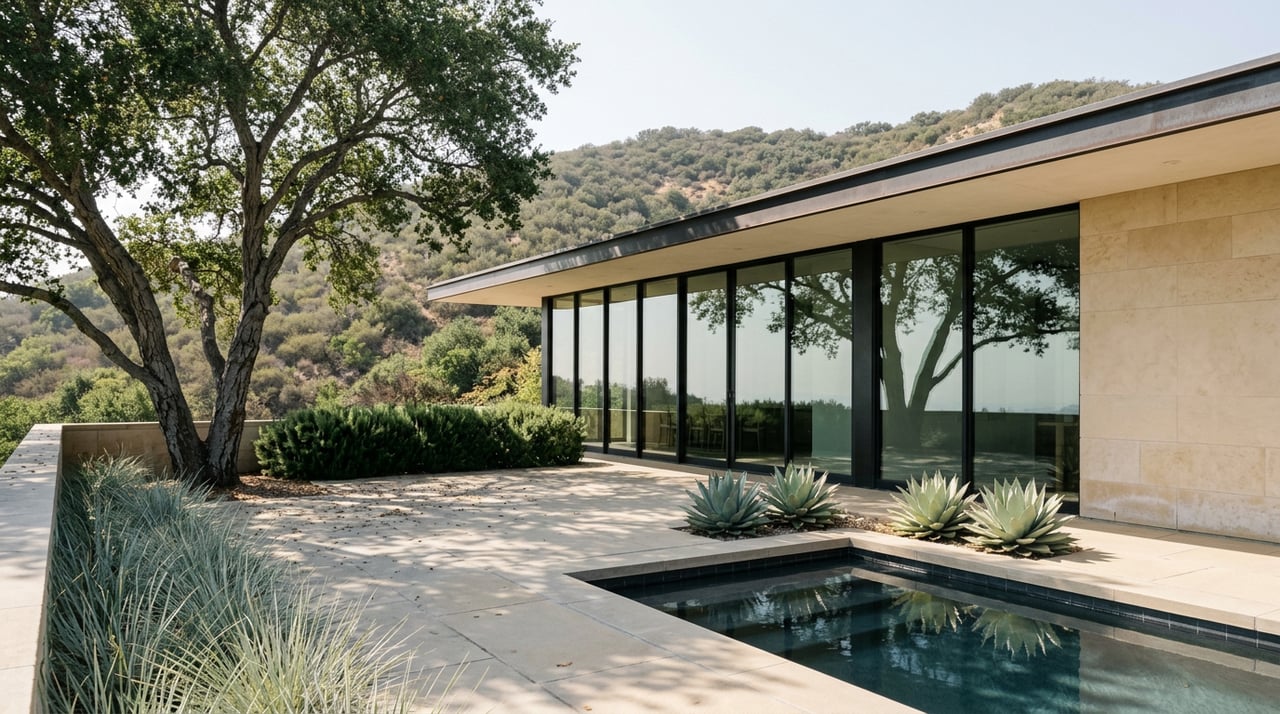
Malibu's 90265 zip code has effectively split into two separate inventory pools since the Palisades Fire tore through the coastline in January 2025. One pool is vacant land and rebuild candidates, hundreds of parcels where a house used to stand. The other is everything that never touched the fire perimeter: homes that were occupied on January 8, 2025 and still are.
The land pool is where the real discount lives, and it's trading like raw dirt, not like housing. In the third quarter of 2025, investors purchased 19 of the 43 vacant lots that sold in the 90265 zip code, 44.2% of all transactions, more than double their share from a year earlier. The typical lot went for around $1.3 million. A burned parcel in Big Rock listed at $1.65 million and was cut twice without finding a buyer. An oceanfront lot in Las Flores Beach dropped from $3 million in April 2025 to $1.95 million by October 2025 and still hadn't closed. One buyer alone assembled roughly $65 million in oceanfront lots along Pacific Coast Highway in a single stretch of 2025, betting on a multi-year rebuild horizon rather than a quick resale.
None of that activity tells you anything about what a finished, livable house on a street like Malibu Road, one of the pockets that has held close to pre-fire pricing, is worth right now. It tells you what dirt with a coastal development permit pathway attached to it is worth, which is a different asset with a different buyer pool and a different holding period.
| Fire-zone lots and rebuild candidates | Intact, turnkey homes | |
|---|---|---|
| What's changing hands | Vacant parcels, some with partial entitlements | Move-in ready houses that never burned |
| Typical buyer | Investors, patient capital, owner-rebuilders | Traditional homebuyers |
| Price behavior | Sharp cuts, multiple rounds, some sitting unsold for months | Comparatively stable, thinner inventory |
| What sets the price | Permit timeline, insurance settlement size, soil and coastal review status | Standard comps, condition, location |
The median price everyone quotes blends both columns into one number. It's technically accurate and still misleading, because it implies a single market softening uniformly, when what's actually happening is that one column is flooding with distressed inventory while the other stays roughly where it was.
The mechanism connecting these two markets is insurance math and permitting speed, not buyer sentiment.
According to Latent Insure, California's FAIR Plan, the state's insurer of last resort, caps residential fire coverage at $3 million. For a standard California home, that's often enough. For a Malibu estate that costs $7 million to $10 million or more to rebuild once foundation, septic, and coastal engineering requirements are factored in, that cap can leave a gap of several million dollars between what the insurance settlement pays and what it actually costs to put the house back. Owners who bought decades ago, long before coastal values reached today's levels, are discovering that owning an $8 million property on paper doesn't mean having another few million sitting in reserve to close that gap.
The math got harder in January 2026. The mandatory one-year non-renewal moratorium that had protected Palisades and Eaton fire zone properties expired on January 7, 2026, meaning insurers can once again decline to renew policies in those areas. For an owner already facing an insurance shortfall, losing coverage certainty on top of it tips the decision toward selling rather than waiting out a rebuild.
Permit activity in Malibu also differs from that in surrounding fire zones. By August 2026, the city of Los Angeles had issued rebuilding permits for more than 1,400 Palisades properties, while the city of Malibu had issued 88 building permits total, most of them concentrated in the Big Rock neighborhood. The city's own rebuild dashboard, updated through late June 2026, counted 342 planning approvals and only 77 permits issued specifically for new construction, more than a year and a half after the fire destroyed 720 structures in Malibu, including 322 coastal homes.
Some of that difference reflects Malibu’s coastal requirements. About half of the homes lost sat directly on the water. The Malibu Times reviewed one recently approved rebuild in Big Rock and reported that the city issued 123 comments during plan check; architects say 20 to 40 comments is typical for a single-family home in Los Angeles.
That backlog is one factor in the land pool's growth. Every month a rebuild sits in plan check is another month of carrying costs, temporary housing, and uncertainty, and at some point the math tips enough owners toward listing the lot instead of completing the rebuild.
If you're pricing an offer in Malibu right now, treat the headline median as a starting question, not an answer.
Is Malibu actually a buyer's market right now? For fire-zone lots and rebuild candidates, yes, clearly. Inventory in that segment has grown well beyond pre-fire levels and sellers have accepted repeated price cuts. For intact, move-in ready homes on streets that never burned, the leverage hasn't shifted nearly as much, since that inventory stayed thin the whole time.
Will prices recover once the permit backlog clears? Malibu's own history with the 2018 Woolsey Fire suggests recovery is slow even after permits pick up. City permit records show that roughly seven and a half years after Woolsey, only about 61% of tracked rebuild projects were complete. A faster permit pace helps, but it doesn't erase years of lag between destruction and a finished, sellable home.
Can I even get insurance on an intact Malibu home today? Coverage is available, but it's more complicated than it was before January 2025. Expect to combine a FAIR Plan policy for fire coverage with a difference in conditions policy for everything FAIR Plan excludes, including liability, theft, and water damage. Confirm the full stack with a licensed agent before you're locked into a purchase timeline.
Malibu right now rewards buyers and sellers who ask which market they're actually in before they trust a headline number. If you're weighing a Malibu purchase against other Westside options, or trying to figure out what your own property is worth in a market this split, Renée Avedon can walk through the comp set with you street by street. Let's Connect.
This article is general information, not legal, tax or financial advice. Consult a qualified professional about your situation.
Stay up to date on the latest real estate trends.