Beverly Hills Flats Vs Hills: Lifestyle Tradeoffs Explained
June 4, 2026
June 4, 2026
Choosing between the Beverly Hills Flats and the Hills often comes down to one question: do you want daily convenience or elevated privacy and views? If you are weighing both areas, you are not alone. Many buyers love Beverly Hills as a whole but need help understanding how these two settings can shape everyday life, long-term upkeep, and the feel of home ownership. This guide breaks down the real lifestyle tradeoffs so you can compare each option with more clarity. Let’s dive in.
In Beverly Hills, the Flats and the Hills are not just casual labels. The city formally distinguishes single-family property into the Central Area, Hillside Area, and Trousdale Estates, and city planning documents reflect real differences in terrain and development patterns.
In simple terms, the Flats are the flatter, more grid-like residential core, generally south of Sunset Boulevard. The Hills are the elevated areas north of Sunset, where the land becomes more rugged and topographically varied. That difference affects everything from the way streets feel to how homes sit on their lots.
The city’s hazard planning also notes that hillside areas have the city’s highest landslide potential. So when you compare the Flats and the Hills, you are comparing two distinct living environments, not just two price points or aesthetics.
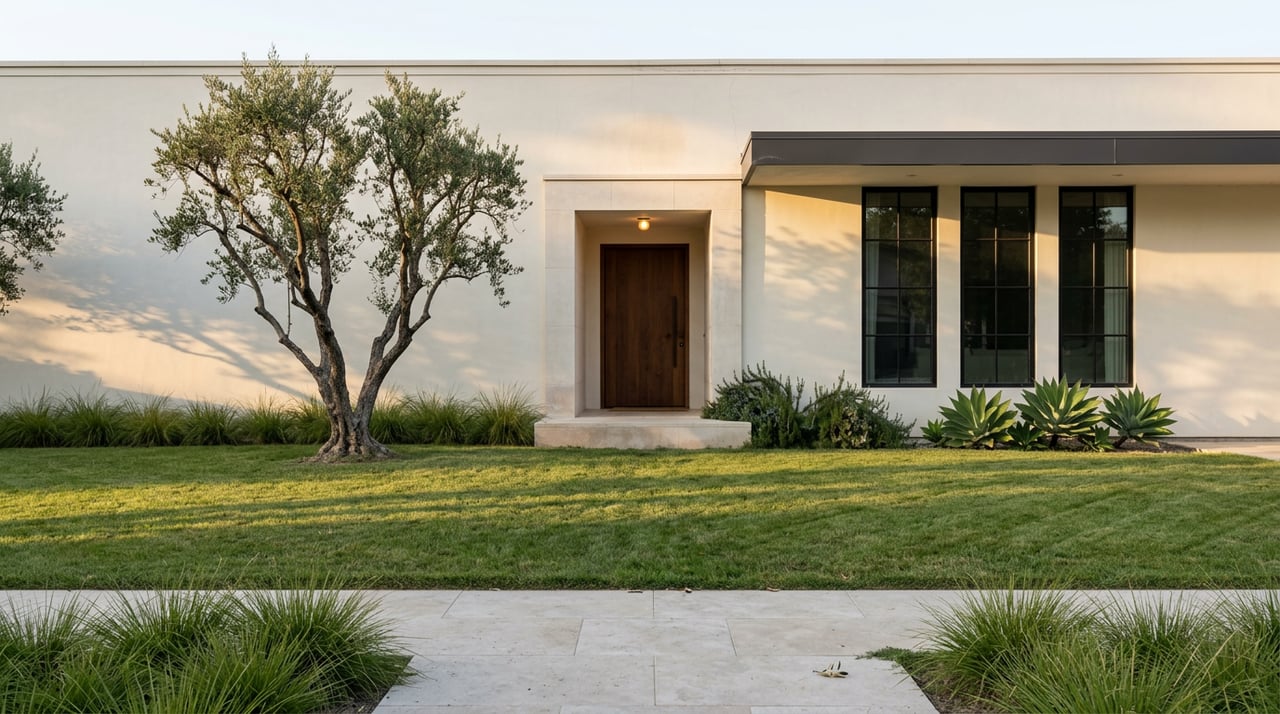
If you value a more straightforward daily rhythm, the Flats often feel intuitive. Streets are more regular, the terrain is gentler, and outdoor movement on a property is usually simpler because the land is flatter.
That flat setting often translates into broader, more usable outdoor space. Yards, patios, and circulation paths can feel more seamless because they are not shaped as heavily by slope or terracing. For buyers who want outdoor living that feels easy to navigate, this can be a meaningful advantage.
Another benefit is proximity to Beverly Hills’ commercial core. The city’s central business district, including the Golden Triangle and the well-known shopping and dining area around Rodeo Drive, sits in the flatter part of the city. As a result, the Flats generally offer the easiest access for spontaneous errands, dining plans, and day-to-day convenience.
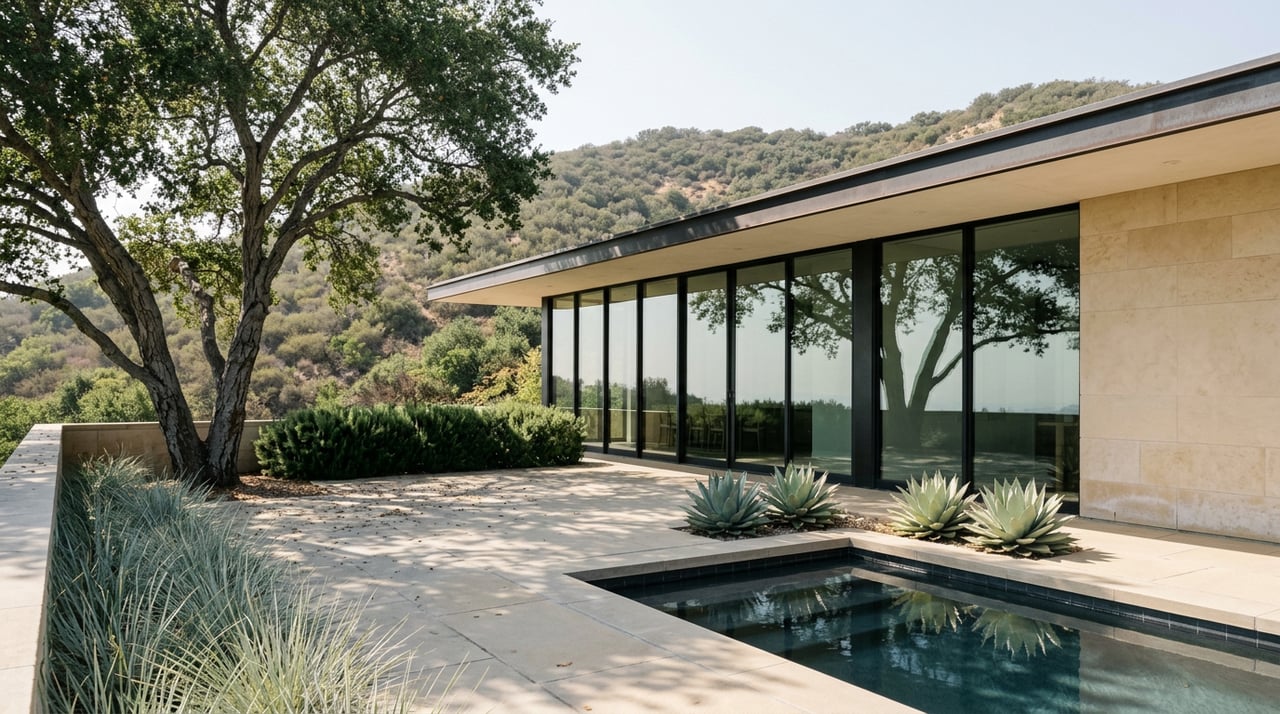
The Hills appeal to buyers who want a stronger sense of retreat. Homes are often positioned in a more sculpted relationship to the land, and that can create a living experience that feels quieter, more layered, and more private.
The biggest draw is usually the view. In hillside areas such as Trousdale, city view-restoration guidelines show how important view corridors are, with landscaping rules designed to balance privacy, aesthetics, security, and slope stability while helping preserve views.
That creates a very different atmosphere from the Flats. In the Hills, your experience of the property may be shaped by elevation, terraces, plant height, and sight lines all at once. The result is often a more dramatic sense of setting, especially for buyers who place a premium on outlook and separation.
The physical feel of a lot can shape how you live in a home every day. In the Flats, homes typically sit on flatter sites, so outdoor areas often feel more unified and immediately functional.
In the Hills, lots are more likely to be terraced, stepped, or engineered around the slope. The city’s housing element notes that some hillside subdivisions were designed around view-oriented terraced pads, which helps explain why hill neighborhoods can feel more segmented than the street-grid areas below.
That does not mean one is better than the other. It means the experience is different. If you want easy backyard flow and a more street-oriented setting, the Flats may fit better. If you prefer a home that is shaped by the land and oriented toward outlook, the Hills may feel more compelling.
Beverly Hills has different regulatory frameworks for these areas, and that can influence both appearance and future plans.
In the Central Area, visible exterior changes to single-family homes are subject to design review. The city’s standards address setbacks, parking, walls, fences, hedges, landscaping, pavement, and accessory structures. This tends to create a more curated, street-facing character in the Flats.
In the Hillside Area, the city states there is no design review process in the same sense, but there are rules tied to landform alteration, view preservation, setbacks, walls, fences, hedges, and accessory structures. In practice, hillside design is shaped less by façade review and more by how the home responds to the site itself.
For buyers, this is important. If you are considering updates or want flexibility over time, the questions you ask in the Flats may be different from the questions you ask in the Hills.
Privacy exists in both settings, but it is often created in different ways.
In the Flats, privacy tends to come from hedges, walls, setbacks, and mature tree canopy. The city’s Central Area rules specifically address walls, fences, hedges, and visible exterior changes from the street, which helps shape the private-yet-polished character many buyers associate with these streets.
In the Hills, privacy is often linked to elevation and positioning. A home may feel more removed because of its relationship to the slope, neighboring lots, and view corridors. Landscaping in these areas has to do more than beautify a property. It also has to balance sight lines, screening, and slope conditions.
Both parts of Beverly Hills are shaped by landscape standards. The city’s Garden Handbook and water-efficient landscaping rules treat landscape design as part of a home’s overall character, with plant palettes and garden styles tied to architectural themes.
Still, upkeep often differs between the two settings. In hillside properties, owners generally need to pay more attention to drainage, planting choices, grading, runoff, and erosion control because of the topography. The city’s landscaping rules also address slope limits, smart irrigation controllers, and fire-safety considerations in very high fire hazard zones.
In the Flats, landscaping can still be highly detailed and carefully regulated, but it is usually less driven by slope-related concerns. For some owners, that makes maintenance feel more predictable. For others, the tradeoff of more site complexity in the Hills is well worth it for the setting and views.
One thing both areas share is greenery. Trees are a defining feature of Beverly Hills neighborhoods, and the city asks residents to protect trees on private property.
That said, the landscape vocabulary can feel different. In the Flats, mature canopy and formal landscape elements often shape the street presence. In the Hills, planting choices may be more closely tied to view preservation, privacy screening, and slope stability.
This is one reason the two areas can feel distinct even when both are lush and residential. The greenery serves a different purpose depending on the terrain.
If you are trying to decide between the Beverly Hills Flats and Hills, it helps to focus on how you want to live rather than chasing a one-size-fits-all answer.
You may prefer the Flats if you want:
You may prefer the Hills if you want:
The best choice depends on what matters most to you. Some buyers want to be closer to the rhythm of the city. Others want a setting that feels more removed and view-focused.
A practical shorthand is this: the Flats feel more convenient and street-oriented, while the Hills feel more secluded and view-oriented.
That contrast shows up in the terrain, the lot layouts, the city rules, and the way daily life tends to unfold in each setting. Once you understand that, the search becomes less about labels and more about fit.
If you are comparing specific Beverly Hills properties and want a discreet, informed perspective on how location affects lifestyle, ownership, and long-term usability, Renée Avedon can help you evaluate the options with clarity.
Stay up to date on the latest real estate trends.