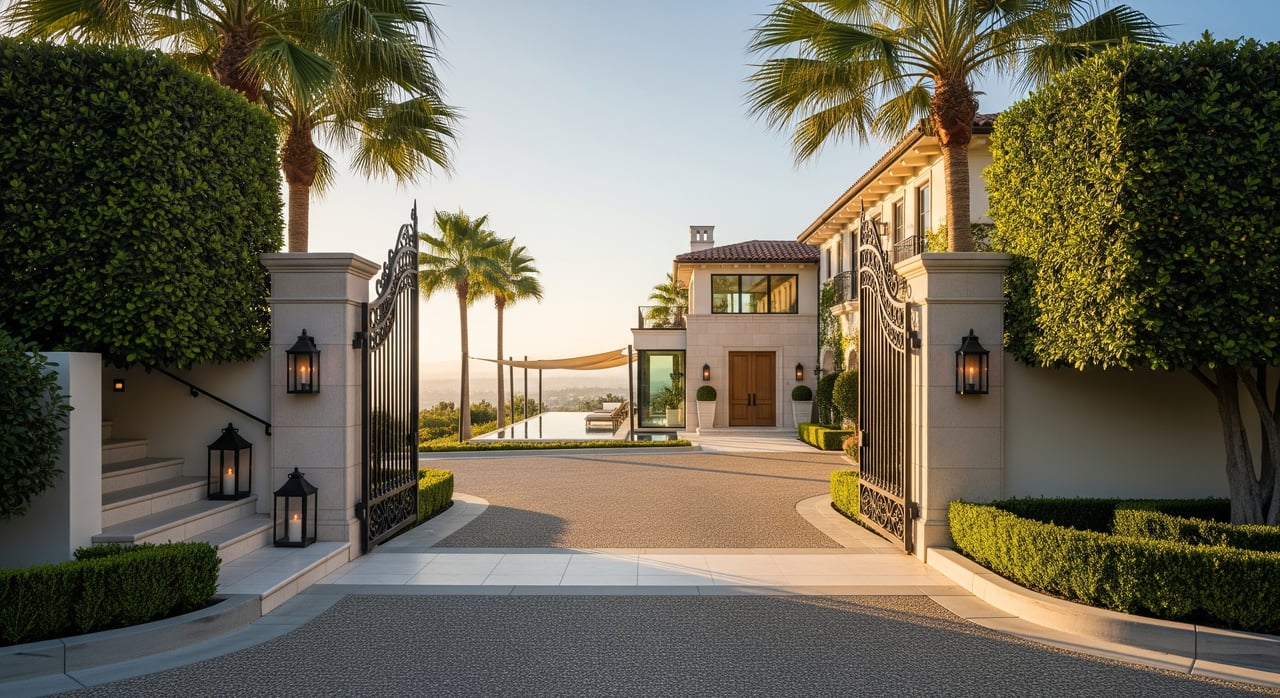
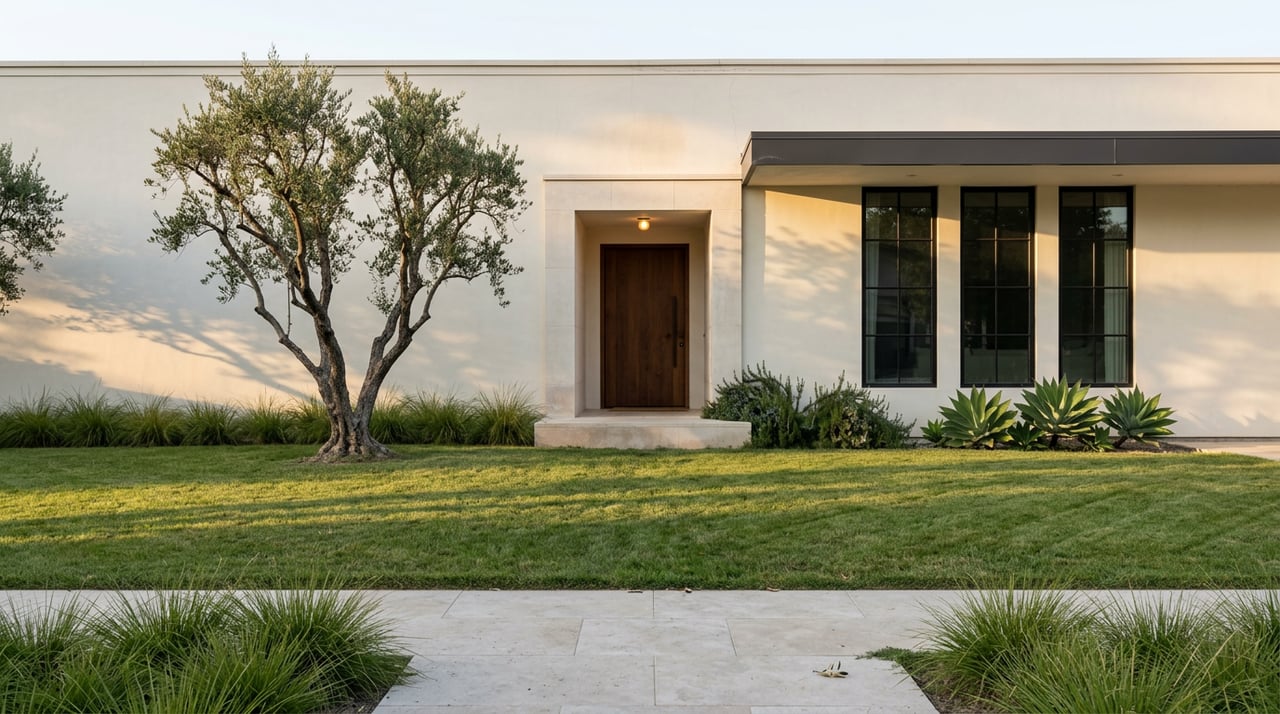
Pricing a Beverly Hills home is not a simple price-per-square-foot exercise. You are selling a mix of land value, lifestyle, and often architectural pedigree to a highly discerning buyer pool. In this guide, you’ll learn how to price with confidence by balancing land, design, views, and block-level nuances while aligning strategy to your goals. Let’s dive in.
How Beverly Hills pricing really works
Beverly Hills is a luxury, low-inventory market where individual sales can reset baselines. Many buyers evaluate lots for redevelopment potential as much as the existing structure. That is why accurate positioning matters: overpricing can stall showings, while underpricing can spark activity but risk your net.
For current comparable sales, the most authoritative source is the local MLS. Your agent should pull recent closed and pending data from CRMLS and confirm parcel facts with the Los Angeles County Assessor. Zoning and allowable build area come from City planning documents, which you can review through the City of Beverly Hills Community Development portal.
The value drivers Renée weighs
Land value and lot attributes
In Beverly Hills, the lot often drives the deal. Buyers pay close attention to size, shape, slope, and the usable building envelope. Flat, wider lots or parcels that allow more buildable square footage typically command strong premiums.
What to check:
- Lot size, shape, topography, and usable flat area.
- Zoning, setbacks, FAR, hillside ordinances, and any open-space limits from City planning.
- Parcel history, easements, and utilities verified through the Assessor.
- Recent teardown and new-build sales to benchmark lot value.
Architecture pedigree and provenance
Recognized architects, significant period homes, and award-winning designs can justify premiums for buyers seeking a true architectural statement. The condition and integrity of the original design matter, as does any landmark status that may limit alterations.
What to check:
- Architect or firm, year built, notable past owners, and publication history.
- Degree of original integrity versus unsympathetic renovations.
- Any historic or landmark constraints that affect future changes.
View premiums
City, canyon, ocean, skyline, and night-light views are quantifiable amenities. Small differences in orientation, width, and permanence of view can translate to significant price shifts.
What to check:
- Type of view and whether it is protected from future obstruction.
- Where the view is experienced: primary living areas vs secondary rooms.
- Comps with similar view lines and documented marketing photos.
Micro-street effects and address prestige
Within Beverly Hills, value can change from one block to the next. Quiet cul-de-sacs, wider streets, mature landscaping, and privacy screens often attract more buyer interest than homes on busier corridors.
What to check:
- Traffic patterns, street width, sidewalks, street trees, and lighting.
- Adjacent uses and nearby construction or institutional properties.
- Proximity to parks and commercial corridors without implying qualitative judgments about neighborhoods or schools.
Condition, improvements, and amenities
Interior quality still matters. Buyers pay premiums for turnkey condition and well-executed outdoor living. Others will discount for anticipated renovations or plan a full rebuild when the lot is the prize.
What to check:
- Systems and structure: roof, HVAC, electrical, seismic, drainage.
- Kitchens, baths, flooring, and window quality.
- Pool, spa, guest house or ADU, garage capacity, and parking.
Entitlements and redevelopment potential
Permits, approvals, and credible expansion paths reduce development risk. Entitled lots and sites with completed reports often trade at a premium relative to similar land without documentation.
What to check:
- Active permits, plans, geotechnical and environmental reports.
- Hillside restrictions or mitigations that affect time and cost.
A simple comps framework you can use
Step A: Select relevant comps
Pick 3 to 6 closed sales from the past 1 to 6 months when possible. Start with the same micro-street or adjacent blocks, then expand to the closest matching neighborhood band. Prioritize the same lot type (flat vs hillside), similar usable land, bed/bath count, and comparable build quality or architecture.
Step B: Compare with a consistent checklist
Evaluate each comp against your home on:
- Lot attributes: size, shape, usable flat area, slope.
- Buildable area and entitlements: plans or permits are a plus.
- View tier: none, partial, sweeping, protected.
- Condition: turnkey, cosmetic, major remodel, or teardown.
- Architecture: notable architect or period provenance, intact or altered.
- Amenities: pool, guest unit, parking, and outdoor living.
- Micro-street and curb appeal: quiet cul-de-sac versus busier road.
- Time/date: note older sales that may need a time adjustment.
- Transaction nuances: concessions, atypical financing, or estate sales.
Step C: Weight what matters most locally
In Beverly Hills, prioritize Lot and Entitlement, View, and Micro-street effects ahead of minor interior upgrades. Use MLS data to translate differences into minor, moderate, or major adjustments that your agent will quantify.
Step D: Land on a price range and strategy
Group the adjusted values into a tight low–mid–high band. Then align the list price with your chosen strategy: market-clearing, aggressive, or aspirational. Always cross-check outliers against multiple recent sales.
Pricing strategies and tradeoffs
Strategy A: Market-clearing list price
- Goal: meet current market and attract qualified buyers quickly.
- Pros: steady showings and fewer price cuts when accurately positioned.
- Cons: may not spark a bidding war in a slower moment.
Strategy B: Aggressive or under-market
- Goal: stimulate heavy showings and invite competition.
- Pros: can yield multiple offers in low-inventory windows.
- Cons: may leave money on the table if demand is not deep or if unique features are underappreciated.
Strategy C: Aspirational pricing
- Goal: test higher pricing.
- Pros: you may capture a premium buyer who values unique attributes.
- Cons: longer days on market and visible reductions can erode perceived value.
Know your net proceeds
Account for likely costs: commissions, transfer and recording fees, title and escrow, mortgage payoffs or liens, credits or repairs, staging and photography, cleaning and pre-sale inspections, tax considerations, and carrying costs during the listing. Your agent should provide a written estimate of best, likely, and conservative outcomes.
When to use instant valuations vs a consult
Automated valuation models are useful for a starting point and neighborhood context. In Beverly Hills, they often miss lot quality, architectural pedigree, view tiers, and entitlements. Treat any instant estimate as a conversation starter. Then refine with a full CMA using CRMLS data, parcel facts from the Los Angeles County Assessor, and zoning details from the City of Beverly Hills Community Development.
For broader perspective, your agent can also reference market insights from the California Association of Realtors, the National Association of Realtors, and analytics providers like CoreLogic, plus local reporting from outlets such as the Los Angeles Times real estate section and The Real Deal Los Angeles.
How Renée builds your pricing plan
- Property and document review: permits, plans, reports, and prior inspections.
- On-site evaluation: land, access, privacy, view corridors, and architecture.
- Data pull and verification: recent MLS comps, pendings, and parcel records.
- Zoning and buildable area confirmation: consult City planning and any hillside rules.
- Land vs structure modeling: price per buildable square foot and price per living square foot.
- Strategy alignment: a tight pricing band mapped to your timing and privacy goals.
- Marketing narrative: highlight architecture, land potential, and view value with premium media and targeted outreach, including quiet listing options when appropriate.
What to bring to your consult
- Key documents: deed and APN, floor plans, surveys, permits, prior reports, and utility bills.
- Non-obvious value list: entitlement status, architect or provenance details, view description, privacy/security features.
- Your perspective: three properties you consider comparable and why.
- Objectives: timing, net proceeds, privacy, and any constraints.
Ready to price your Beverly Hills home?
If you want a pricing plan that balances land value, architecture, views, and micro-street effects, let’s talk. You’ll get a clear comp set, a narrow price band, and a strategy that fits your goals and privacy needs. Connect with Renée Avedon to schedule a confidential consultation.
FAQs
How do you separate land value from house value in Beverly Hills?
- We benchmark recent teardown and new-build sales, calculate price per usable lot and per allowed buildable square foot, then layer a structure value based on finish level, architecture, and condition.
How much do views add to a Beverly Hills price?
- It depends on type and permanence: sweeping, protected views from primary living areas can command meaningful premiums, while partial or obstructable views add less and require careful comp selection.
Do off-market or quiet sales count as comps?
- They can inform context but should be secondary to closed MLS sales with full exposure; if used, we adjust for any limited marketing that may have affected price.
Should I price under market to create a bidding war?
- Use this only when data suggests multiple qualified buyers will respond; otherwise you risk a lower net if demand is not deep or if your home’s unique value is not widely recognized.
What affects days on market in Beverly Hills?
- Price alignment with current comps, micro-street placement, view quality, and condition drive showings; accurate positioning reduces the need for reductions and helps preserve perceived value.
What will I receive after a pricing consult?
- A written pricing recommendation with best, likely, and conservative outcomes, a comp packet with adjustments, and a tailored marketing plan aligned to your timing and privacy priorities.