Choosing Between Beverly Hills Condos and Houses
February 19, 2026
February 19, 2026
Should you choose the lock-and-leave ease of a condo or the privacy and presence of a Beverly Hills estate? It is a big decision, and the right answer depends on how you live, how often you travel, and how hands-on you want to be with maintenance. This guide breaks down lifestyle, costs, financing, and long-term flexibility so you can choose with confidence. You will also get a clear checklist to use when you tour properties and review disclosures. Let’s dive in.
Beverly Hills spans several distinct micro-markets, from the Flats to Trousdale and hillside pockets. Citywide, the typical home value sits around $3.54 million based on recent data through January 31, 2026. Within 90210 and trophy segments, prices often run much higher. When you budget, lean on ZIP and neighborhood comps rather than a single city average.
Entry-level condos and older mid-century units can list under $1 million, while full-service luxury condos and penthouses reach several million. Single-family estates commonly trade in the multi-million to tens-of-millions range. Your day-to-day lifestyle and holding costs will vary just as widely.
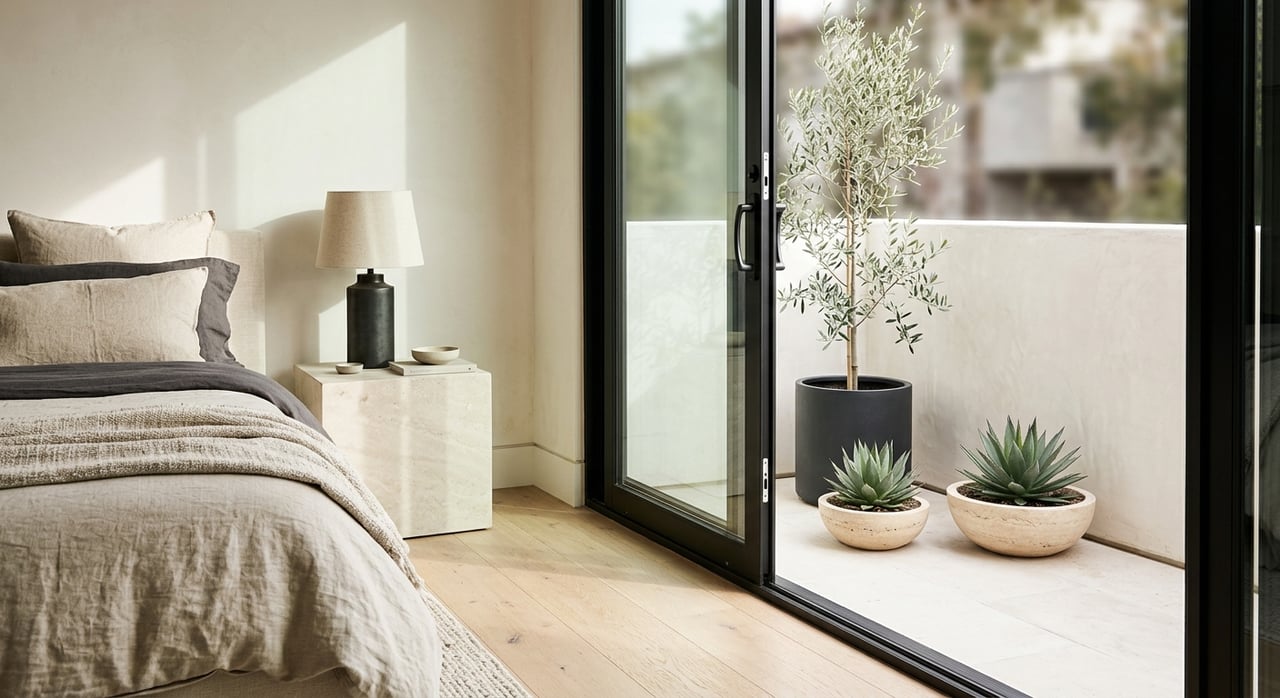
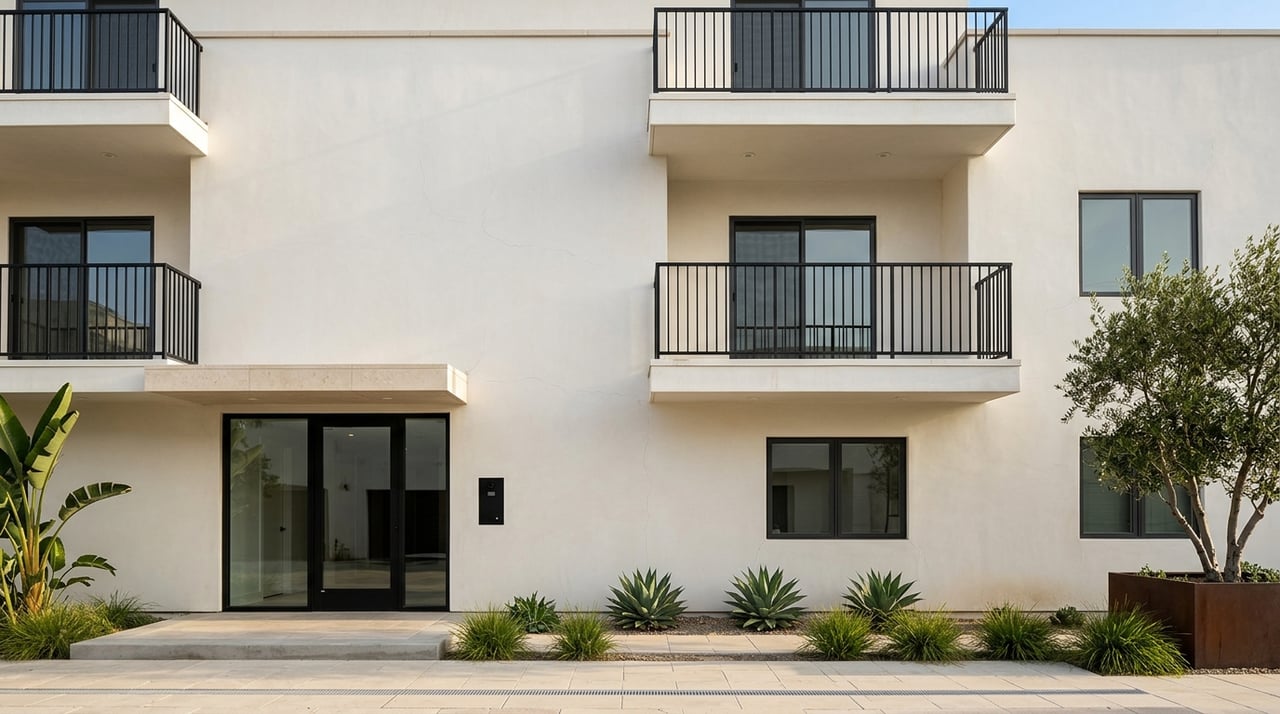
Condos in and around Beverly Hills appeal if you want high convenience. Many buildings offer concierge, valet, fitness centers, pools, and on-site staff for maintenance. This suits frequent travelers and owners who prefer a secure, low-maintenance setup. Amenity and staffing levels are a major driver of HOA dues.
Monthly HOA dues generally fund building upkeep, staffing, amenities, and master insurance for common areas. Under California’s Davis–Stirling framework for common-interest developments, associations follow clear rules for budgeting and disclosures. You should review the CC&Rs and rules to see exactly which utilities and services are included in your dues and what the association maintains versus what you maintain as an owner. For background on how common-interest communities operate, see this overview of California HOA structures and documents from the California Association of Community Managers. (California HOA overview)
Ask for the most recent reserve study, annual budgets, and any special assessment notices. California law requires regular reserve planning and disclosure. Underfunded reserves or big capital projects can lead to special assessments, which increase your carrying costs. For a primer on reserves and why they matter, review this guide to HOA reserves. (HOA reserves explained)
Condos must pass project-level reviews with many lenders. Issues like high investor concentration, litigation, or weak reserves can make a building “non-warrantable,” which may limit your mortgage options or raise required down payments. If financing matters, check FHA or agency eligibility early using HUD’s condo lookup tool. (FHA condo lookup)
Condo owners typically carry an HO-6 policy for interior finishes, improvements, and personal property. The HOA’s master policy covers the building shell and common areas. Confirm master policy limits, what the master covers in your unit, and the master policy deductible, which can affect you through loss assessment. Here is a useful overview of HO-6 condo coverage. (HO-6 condo insurance basics)
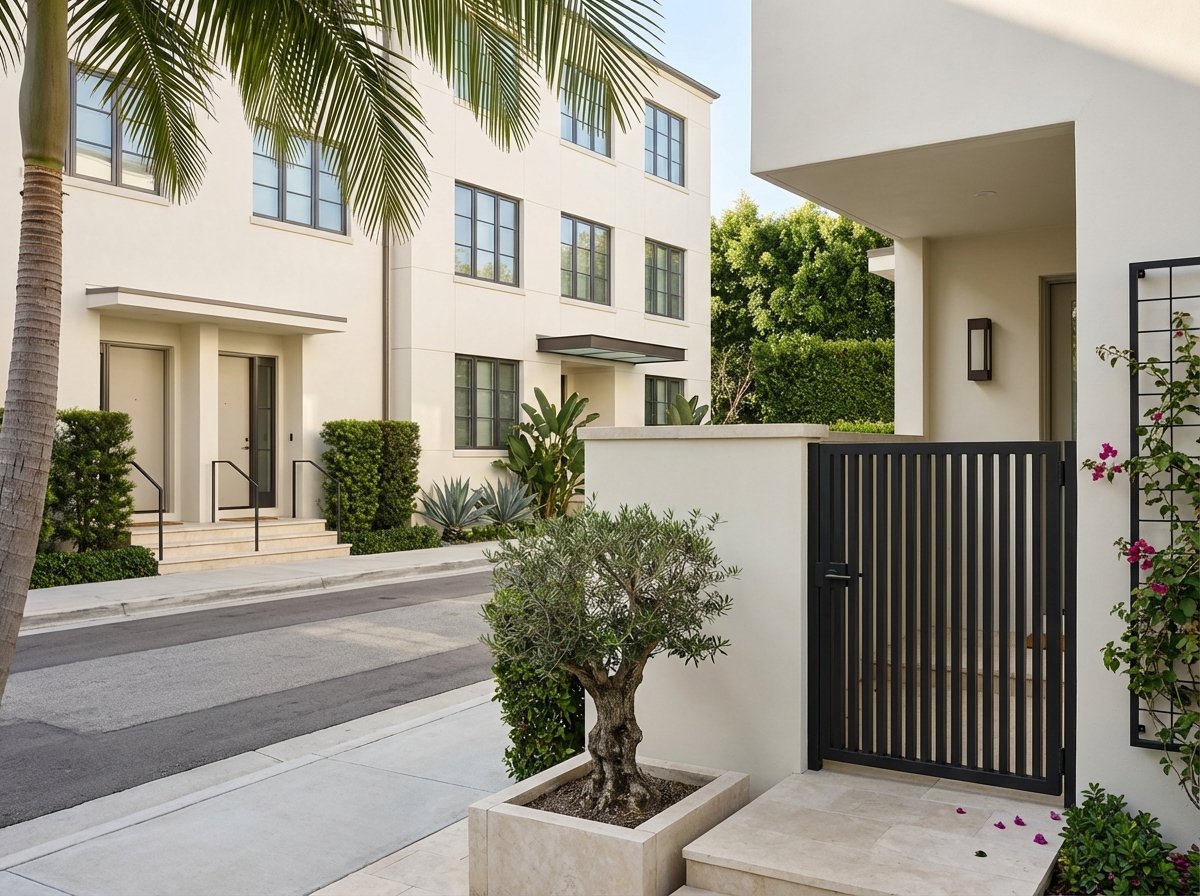
Townhomes can bridge the gap between condos and estates. You often get more interior space and some private outdoor area, with lower maintenance than a large lot. Legal structure matters: some townhomes are in condo-form HOAs where the association handles exteriors, while fee-simple townhomes may put roof and exterior care on the owner. Always confirm the legal form in the title and the CC&Rs so you know who maintains what. For how common-interest communities are structured in California, see this HOA overview. (California HOA overview)
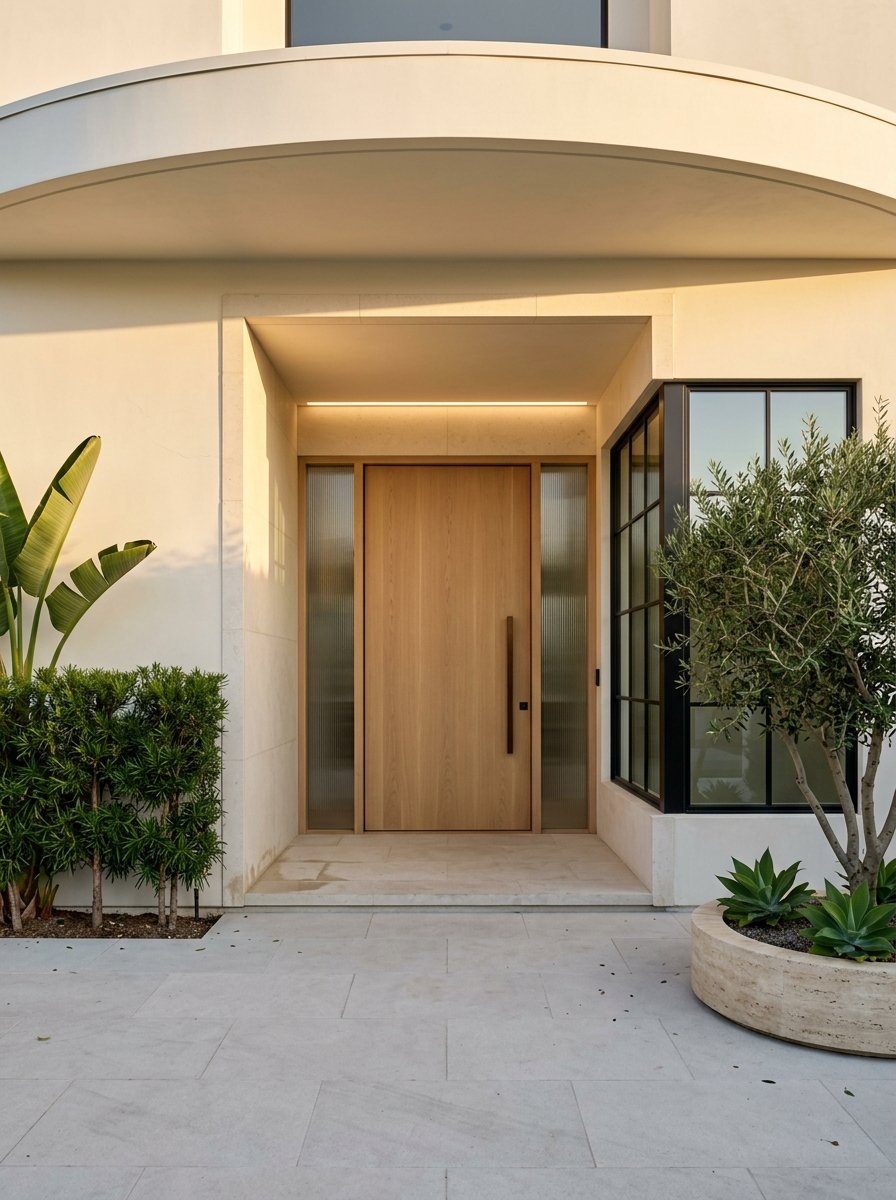
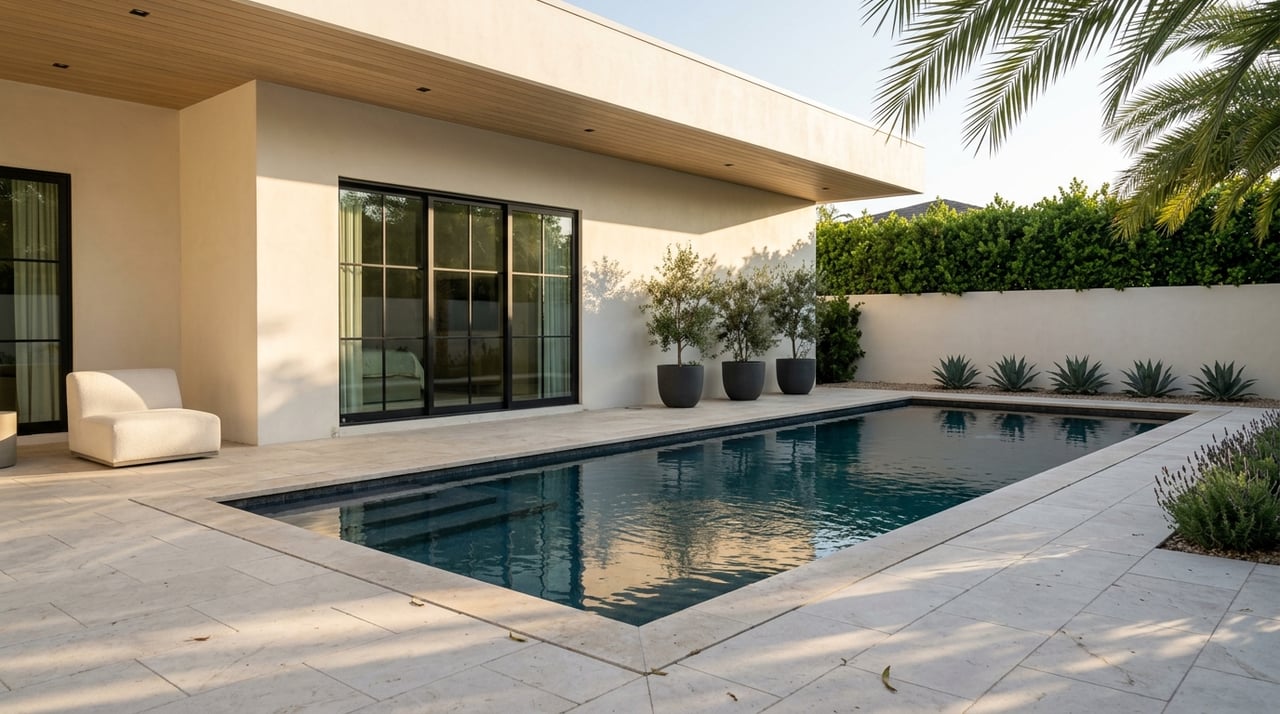
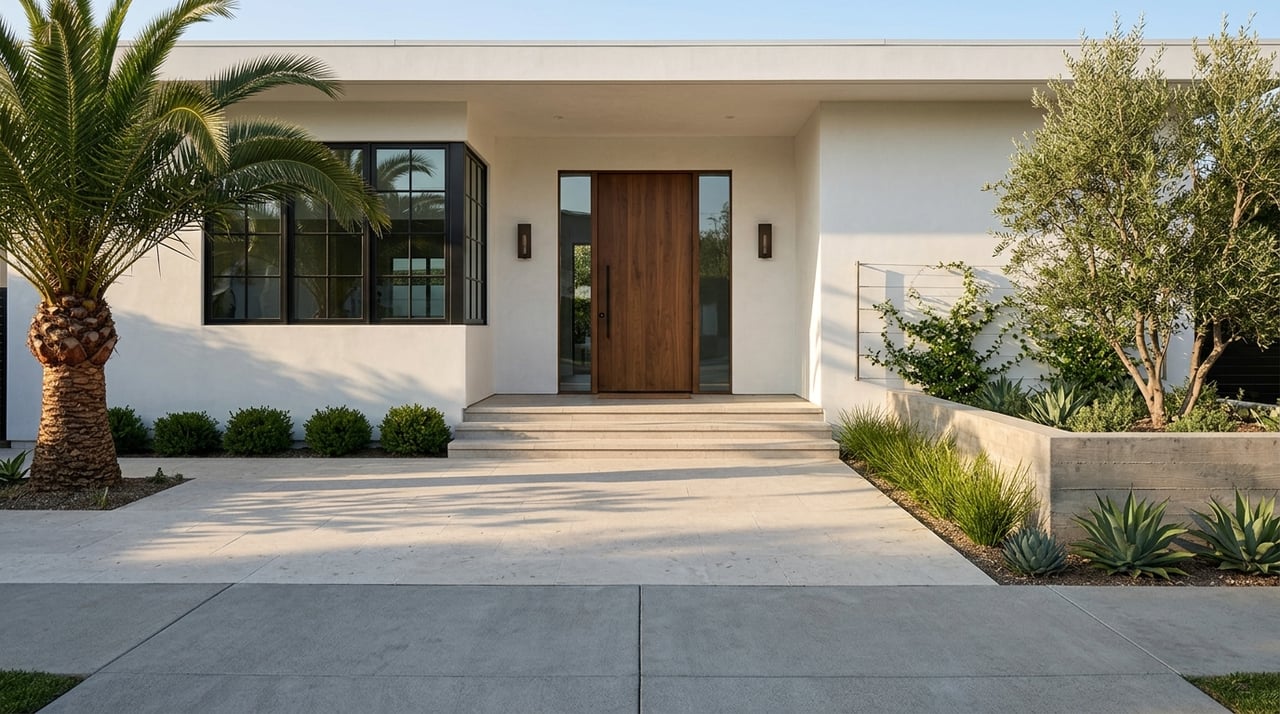
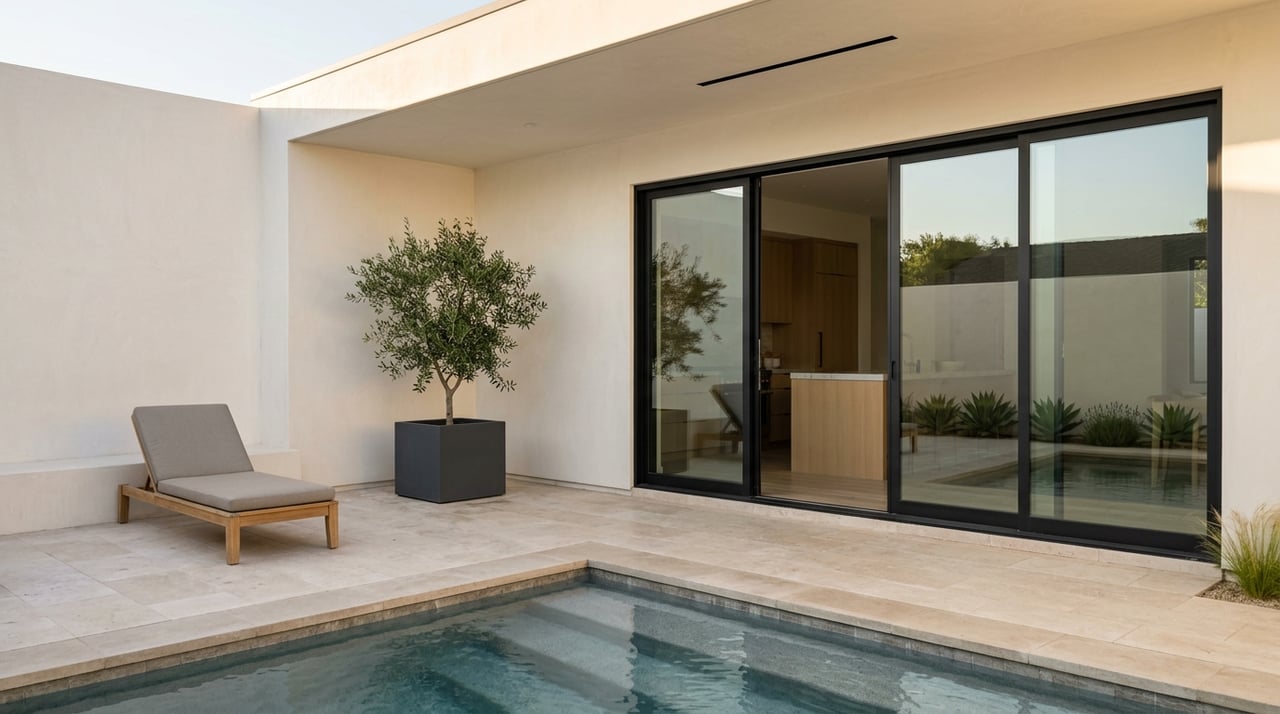
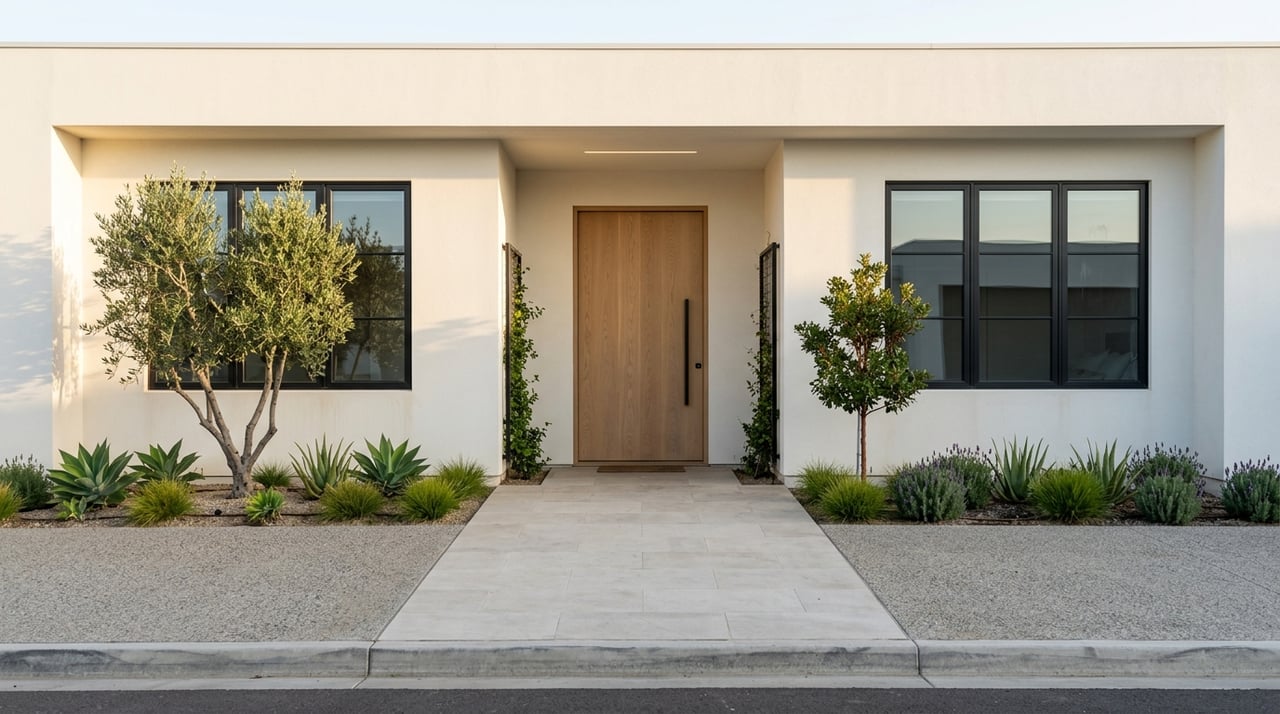
A detached estate gives you privacy, land, and control over exterior improvements. Yards, pools, guest houses, and generous indoor–outdoor living drive the classic Beverly Hills experience. In return, you take on more direct management of vendors and systems.
Plan for more line items with an estate. You will likely budget for landscaping, pool service, gate or security contractors, and periodic work on roofs, hardscapes, and mechanicals. A common rule of thumb is to set aside roughly 1 percent to 4 percent of a home’s value per year for single-family maintenance, with larger or older properties trending higher. Pools alone often run in the low to several hundreds per month in Los Angeles. (Annual maintenance guidance)
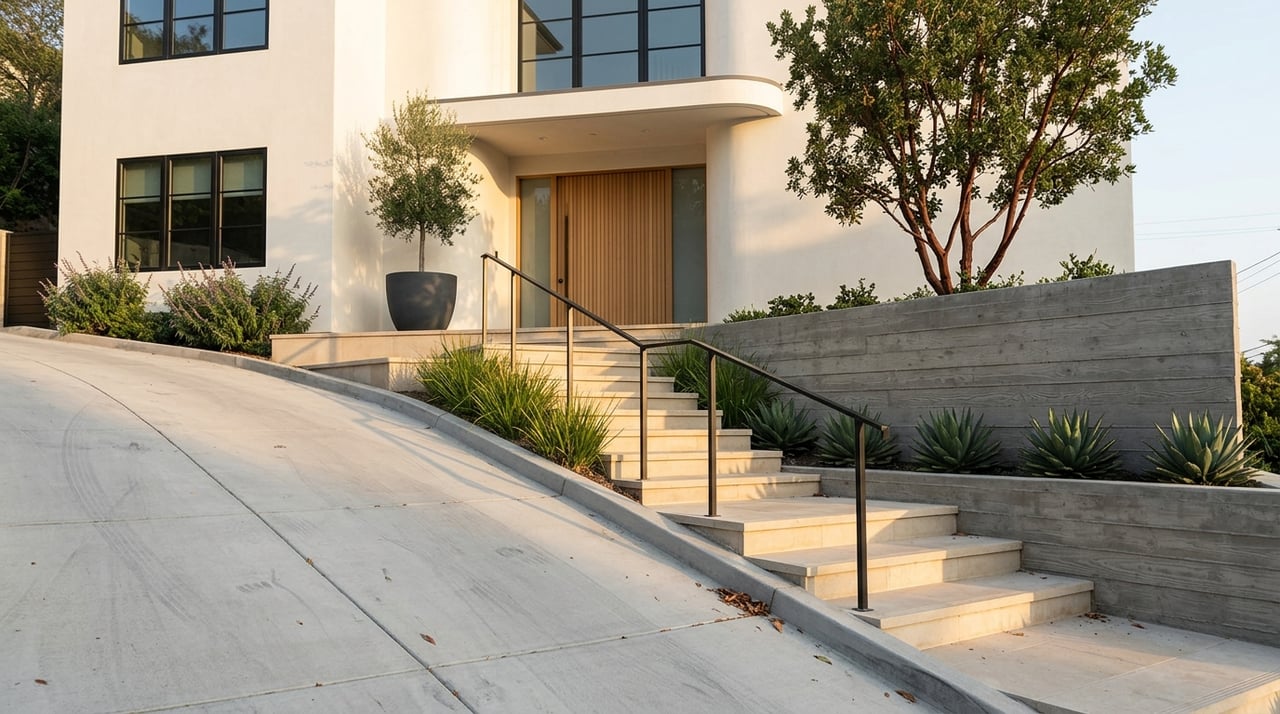
Some hillside areas in and near Beverly Hills appear on updated Cal Fire hazard maps. If a property falls in a higher-risk zone, you may face home-hardening and defensible-space requirements, along with insurance implications. Before you write an offer, verify the parcel’s fire hazard classification and any local vegetation or hardening rules that may apply. A local news report covers recent map updates that include portions of Beverly Hills. (Fire hazard map update)
Resale dynamics differ by property type and by price band. Single-family homes often enjoy broader demand thanks to land scarcity, while condos can be more sensitive to building-level issues like reserves, litigation, and owner-occupancy. Your best guide is a set of current neighborhood comps and a review of the specific building’s financial health and rules.
If you plan to rent, know that Beverly Hills prohibits short-term rentals citywide and adopted updated rules in August 2025. The City also sets minimum initial lease terms and enforces fines, which reduces short-term income potential across condos and estates inside city limits. Always confirm both the City rules and the HOA’s rental policies, since many associations add stricter minimum lease lengths or cap investor units. Review the City’s guidance on short-term rentals here. (Beverly Hills STR rules)
Condo lending also ties to rental and investor concentration. Higher investor ratios can affect conventional or FHA financing for future buyers and for you. For a plain-English overview of how lender requirements interact with HOA rules and reserves, see this resource. (Condo lender requirements overview)
Use this shortlist to streamline your review period. Ask for digital copies in advance when possible.
If you are weighing a Beverly Hills condo against an estate, you are already thinking like a smart buyer. The right fit comes down to how you live, how much control you want, and how you feel about ongoing maintenance. With clear comps, careful due diligence, and a guided plan, you can move forward with confidence.
If you would like a tailored short list and a clear cost model before you tour, reach out to Renée Avedon. Let’s connect on your timeline and in your preferred language.
Stay up to date on the latest real estate trends.