What if the same house sold for two very different prices a few blocks apart? On LA’s Westside, that happens more often than you think. You are not imagining it. Small differences in views, lot utility, privacy or zoning can create big shifts in value. In this guide, you will learn the key drivers behind Westside pricing, how premiums “stack,” and what to verify before you buy or sell. Let’s dive in.
Core price drivers on the Westside
You will see the same core factors repeatedly in Santa Monica, Venice, Brentwood, Pacific Palisades, Westwood and West LA. The mix and weight change by micro-location, but the list stays consistent.
Location and micro-location
- Proximity to the beach, employment centers like Silicon Beach or Century City, schools, and retail or dining corridors.
- Street-level feel matters. A quiet mid-block parcel differs from a corner lot on a busier street.
Views and view corridors
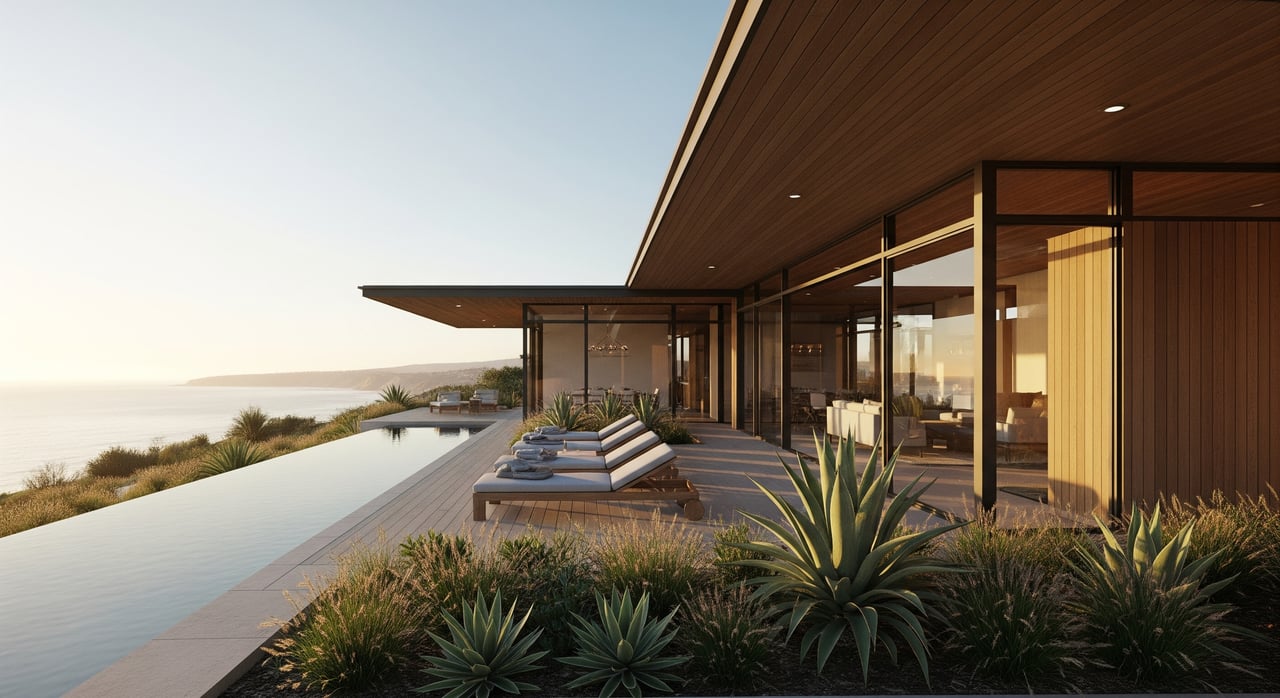
- Ocean, coastline, city and mountain views influence demand.
- Degree and permanence are key. Panoramic, unobstructed views with low risk of blockage are prized.
Lot size and usable outdoor space
- Larger, usable lots support expansion, pools, ADUs and better landscaping.
- Regular shapes and gentle topography are easier to develop.
Architecture and provenance
- Recognized architects and documented history draw collector interest.
- Quality of materials, craftsmanship and turn-key finish carry weight.
Privacy and security
- Gated entries, hedging, elevation and setbacks reduce friction for privacy-minded buyers.
Condition and modernization
- Solid systems, seismic work, updated kitchens and baths, and move-in layouts help pricing and speed of sale.
Microeconomic and regulatory factors
- Zoning and overlays, ADU and SB9 rules, floor area limits and historic constraints all shape potential.
- Property taxes under Proposition 13, insurance availability and costs also affect what buyers will pay.
Market-level demand
- Mortgage rates, job growth, buyer mix and inventory levels influence the tempo. Low inventory in prime pockets can amplify premiums.
Why these factors hit harder here
The Westside is built out, and coastal demand is steady. That scarcity makes location-linked features like views, beach access and walkable amenities more powerful. Even a small improvement in micro-location can be meaningful.
Zoning and overlay rules limit overbuilding, which preserves character but raises the value of larger lots that allow reasonable expansion or ADUs. Within the Coastal Zone, added permitting can slow redevelopment, which can help protect view corridors and neighborhood scale.
Historic and architectural conservation can boost the profile of pedigree homes while limiting flexibility. In the hills above Pacific Palisades and other canyons, wildfire exposure and coastal conditions can affect insurance and carrying costs, which buyers factor into offers.
Views, lots, design and condition
Views: In premium coastal metros, ocean and coastline outlooks tend to carry the strongest buyer response. The difference between a partial lateral glimpse and a wide, unobstructed panorama can be substantial. Permanence of the view matters just as much as the angle.
Lots: In dense, high-value neighborhoods, land often drives the majority of value. Regular, larger parcels with room for an ADU or pool can outperform an equally sized home on a smaller, irregular lot.
Design: Architectural pedigree with documented provenance attracts specific buyers who will compete. Authenticity and original details can outweigh the cost of newer but generic finishes.
Condition: Turn-key properties with updated systems and layouts sell faster because many Westside buyers prefer to avoid long permit timelines. In some cases, move-in readiness offsets a less-than-perfect lot.
How premiums stack in practice
There is no rigid formula. Appraisers and experienced agents use a layered, additive framework and then validate with comps.
Step 1: Establish a baseline comp
- Find a recent nearby sale of a similarly sized home on a similar street without special features.
Step 2: Make single-feature comparisons
- For each axis, ask if the subject is better, equal or worse: view, lot, design, privacy, location and condition.
Step 3: Consider interaction and diminishing returns
- Some features amplify each other. Ocean view plus beach access plus a private, usable lot is more compelling together than any one feature alone. Other features may deliver less impact once a home crosses a size or quality threshold.
Step 4: Validate with multiple comps and market reaction
- Study closed sales, pendings and current listings with similar feature stacks. Days on market and price reductions help flag overreach.
A qualitative Westside example
- Baseline: A 3-bed, 2-bath, 1,800-sf Brentwood home on a quiet street and a small yard creates your starting point.
- Add a panoramic ocean view and a private west-facing deck. Demand broadens and deepens.
- Add an architect-designed pedigree with documented history. You now appeal to design-driven buyers and media coverage.
- Add a larger lot with room for an ADU or pool. Utility and redevelopment potential rise.
- Add gated entry and mature landscaping. Privacy-sensitive buyers are more comfortable and decisive.
The result is usually non-linear. The full package tends to be worth more than the sum of smaller, isolated upgrades.
What to verify before you price
When you are preparing to buy or sell on the Westside, focus on concrete, verifiable items. These are the data points appraisers and sophisticated buyers check.
- View line-of-sight and permanence. Are there planned or approved projects that could block it?
- Zoning, overlays and build parameters. Verify parcel data, allowed floor area, setbacks and any historic constraints.
- Lot dimensions, slope and usable square footage. Confirm ADU feasibility and pool placement.
- Permits and structural work. Look for seismic upgrades, foundation work and system updates.
- Easements and access rights, including coastal considerations where relevant.
- Recent comps with similar feature stacks, ideally within 6 to 12 months.
- Market signals. Track days on market and list-to-sale ratios for directly comparable properties.
- Insurance availability and premium ranges in coastal or hillside areas.
- Property tax basis and how a sale may change the assessed value under Proposition 13.
Buyer game plan
- Define non-negotiables early. Is your priority an ocean view, privacy, a large lot or proximity to work and amenities? Rank them.
- Price the trade-offs. If a view is critical, you may accept a smaller house or older finishes to stay on budget.
- Validate with nearby comps. Focus on sales that mirror your top features rather than square footage alone.
- Plan for holding costs. Consider insurance, property taxes and the cost of any required updates.
Seller game plan
- Lead with your strongest features. If your property has a view, a larger lot, a pedigree design or seclusion, make those the headline.
- Remove friction. Correct deferred maintenance, update key systems and present turn-key where possible.
- Prove the stack. Support your price with nearby comps that share your specific combination of features.
- Watch the market. If similar listings are sitting or cutting, refine your strategy quickly.
How Renée helps you price with confidence
You want calm, precise advice for a complex, high-value decision. Renée Avedon brings boutique, single-point-of-contact service backed by a global luxury network. She blends local comp analysis with regulatory, zoning and insurance checks to price the full feature stack, not just square footage. For international and relocating clients, multilingual communication and cultural fluency streamline every step.
Ready for a pinpoint valuation or a targeted buy-side strategy on the Westside? Connect with Renée Avedon to get a quiet, expert plan tailored to your goals.
FAQs
What drives Westside home prices the most?
- Location, views, lot utility, design pedigree, privacy, condition and local rules all matter, with scarcity and coastal demand making these factors more powerful.
How do ocean views affect value on the Westside?
- Unobstructed, durable ocean or coastline views often produce the strongest buyer response, but the premium depends on quality, orientation and permanence.
Does an architect’s name always add value?
- Recognized architects and documented provenance can attract enthusiastic buyers, but overall condition, marketability and any preservation limits also shape the outcome.
What matters more, lot size or finishes?
- In many Westside pockets, larger, usable land can outweigh interior finishes, though turn-key condition can speed sale and support strong pricing.
How should I compare comps in Santa Monica or Brentwood?
- Start with a nearby baseline sale on a similar street, then adjust qualitatively for each major feature, and confirm with multiple comps and market signals.
What should I verify before listing or offering?
- Check zoning and overlays, view permanence, lot dimensions, permits and structural work, insurance availability and recent comps with similar feature stacks.