LA Westside Condo vs House Investment Guide
May 14, 2026
May 14, 2026
Trying to decide whether a Westside condo or a single-family home makes more sense as an investment? In Los Angeles, that choice can change your upfront cash needs, your monthly carrying costs, and your rental strategy in a big way. If you are weighing entry price, control, rent rules, and long-term flexibility, this guide will help you compare the two with a clear Westside lens. Let’s dive in.
On the Westside, price alone pushes many investors to start with condos and townhomes. Redfin’s March 2026 snapshot shows a median sale price of $2,265,000 across all home types in Westside LA, while condos for sale are listed at a median price of about $1.2 million.
That gap matters because it affects your down payment, financing options, and holding costs from day one. It also means the condo versus single-family question is often less about preference and more about how you want to deploy capital.
The market is still active, even if it is not moving at a breakneck pace. Redfin reports about two offers per home and a median 80 days on market, which suggests investors still need to be precise about timing, condition, and terms.
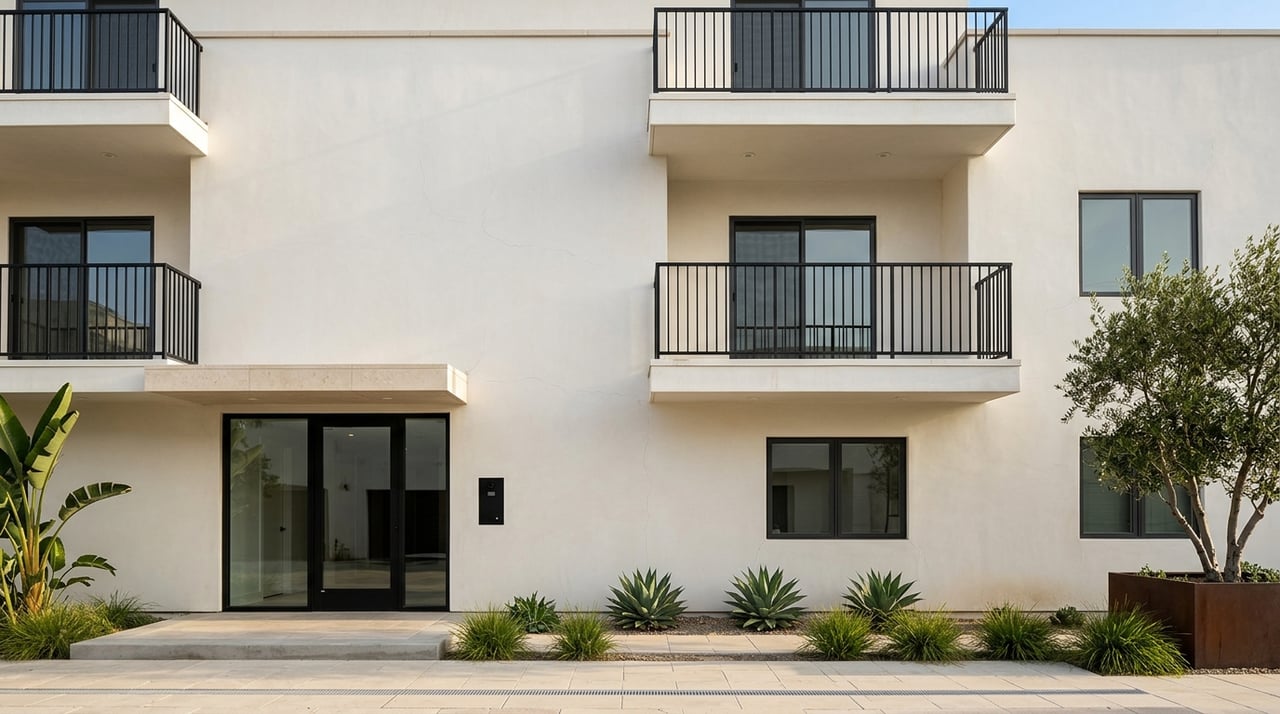
For many buyers, condos offer a more accessible entry point into expensive Westside neighborhoods. They can also align well with the area’s lifestyle, especially in places where walkability and access to jobs support steady rental demand.
Redfin describes Westside LA as highly walkable, with a Walk Score of 90 and roughly 25,656 jobs. That combination helps explain why lower-maintenance homes near daily amenities can be attractive to renters in many Westside submarkets.
A condo usually requires less money upfront than a detached house on the Westside. That can preserve liquidity for reserves, future acquisitions, or improvements.
For investors who want exposure to Los Angeles real estate without committing at the level often required for a detached home, this can be a practical advantage. It may also create room for more conservative underwriting.
Many investors like condos because the day-to-day physical maintenance is often lighter. Shared building systems and common areas are typically handled through the homeowners association, which can simplify ownership compared with managing every exterior and site issue yourself.
That convenience can be especially useful if you live outside the area, relocate often, or prefer a more hands-off asset. Still, less maintenance responsibility does not mean fewer risks.
On the Westside, location and ease of living often matter. A well-located condo or townhome may appeal to renters who want proximity to work, dining, and everyday services.
For that reason, condos can fit an investor strategy built around convenience, lower maintenance, and access to walkable neighborhoods. The trade-off is that you will usually give up some control in exchange.
The biggest mistake investors make with condos is treating HOA costs like a footnote. In reality, association dues, reserve strength, and potential special assessments can materially affect your cash flow and resale outlook.
The California Department of Real Estate notes that when you buy in a common-interest development, you automatically become a member of the association. It also explains that condo projects involve common areas owned or controlled by the HOA, with assessments serving as the association’s primary revenue source.
HOA dues need to be underwritten as a core operating cost, not an afterthought. On top of regular dues, special assessments are possible, which can create surprise capital calls.
The Attorney General notes that the Davis-Stirling Act governs HOA board elections, finances, maintenance responsibilities, and dispute resolution. For you as an investor, that means the building’s financial health and governance quality matter just as much as the unit itself.
With a condo, many building-level decisions are not yours alone. Maintenance timing, repair scope, reserve planning, and some use restrictions may be shaped by the association and its governing documents.
That shared-governance structure can be workable, but it adds friction that does not exist in the same way with many detached homes. If you prefer direct control, this may feel limiting.
Broader condo-market data cited by Redfin in 2025 pointed to rising HOA fees, higher insurance costs, and more special assessments, alongside slower condo sales than single-family-home sales. While that report is not Westside-specific, it is a useful reminder that condo resale demand can be more sensitive to association-level costs.
In practice, buyers often look closely at dues, reserves, and building condition. If those numbers feel heavy, your future buyer pool may narrow.
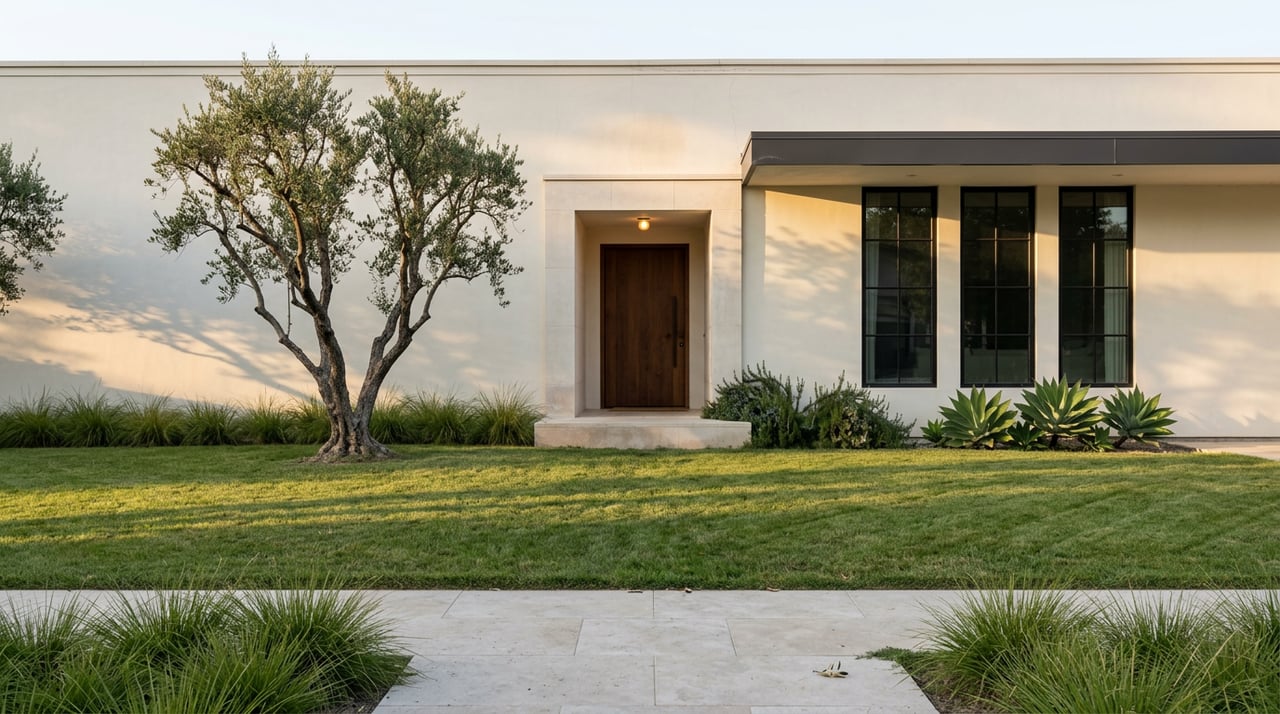
Single-family homes offer something many investors value highly: control. Unless the property sits inside a common-interest development, you are generally not operating inside the same shared-governance structure that comes with a condo.
That simpler ownership setup can make planning easier. You decide how to approach maintenance, upgrades, and long-term capital work, rather than relying on a board or association process.
Detached homes usually avoid the HOA layer, unless they are part of a common-interest development. That often gives you more direct authority over repairs, capital planning, and property operations.
If your strategy depends on timing renovations, managing expenses closely, or shaping the property over a long hold period, that control can be valuable. It can also reduce the uncertainty that comes from shared building decisions.
Many investors prefer the cleaner structure of owning a detached house. There are fewer moving parts in the ownership model and often fewer documents and building-wide financial questions to review.
That does not mean a single-family home is easier in every respect. It means the complexity is usually more directly tied to the property itself, rather than split between the home and an association.
The obvious hurdle is cost. In a Westside market where the median sale price across all home types is above $2.2 million, a detached home often requires materially more capital than a condo.
That higher basis affects everything from your down payment to your debt service and opportunity cost. It can also reduce flexibility if you want to keep cash available for repairs, vacancies, or future purchases.
A detached home usually means more money into the deal upfront. In many cases, it also means larger renovation budgets and higher carrying costs while you stabilize or reposition the property.
For some investors, that is acceptable because they want more control. For others, it can concentrate too much risk in one asset.
With a single-family property, maintenance is more squarely your responsibility. Roof issues, exterior wear, site drainage, systems, and capital replacements are typically yours to manage and fund.
That can be a benefit if you want control, but it also means more exposure to surprise expenses. On older Westside homes, that can become a major underwriting variable.
Many investors assume condos and single-family homes fall into neat legal buckets. In Los Angeles, the rental math is more nuanced than that.
For City of Los Angeles rentals, the Rent Stabilization Ordinance may apply if the property was built on or before October 1, 1978. LAHD says the RSO includes condos and co-ops, while a single-family home that is the only residential structure on the parcel is not subject to the RSO.
For the current RSO year, the allowable increase is 3% from July 1, 2025 through June 30, 2026. LAHD also requires annual registration for RSO units, and eviction notices for RSO units must be filed within three business days of service.
At the state level, California’s Tenant Protection Act adds another layer. It caps annual rent increases at 5% plus CPI or 10% total, whichever is lower, and applies just-cause rules to covered tenancies.
Single-family homes and condos are exempt only if they are not owned by a REIT, corporation, or LLC with at least one corporate member, and the owner gives the required written exemption notice. In other words, the words “condo” or “single-family” do not tell you enough on their own.
Before you underwrite rents, confirm the property’s age, location, title ownership structure, and notice requirements. A condo may or may not be affected by rent limits, and a single-family home may or may not qualify for a state exemption.
This is one of the most important points in the entire analysis. Your return assumptions can change quickly if you get the regulatory status wrong.
If you are choosing between a condo and a detached home on the Westside, focus on fit rather than labels. The better investment is usually the one that aligns with your hold period, financing plan, and tolerance for operating complexity.
Here is a simple side-by-side view:
| Factor | Condo or Townhome | Single-Family Home |
|---|---|---|
| Entry price | Usually lower relative to Westside detached homes | Usually much higher |
| Maintenance profile | Often more turnkey at the unit level | More direct owner responsibility |
| HOA exposure | Yes, often significant | Often none, unless in a CID |
| Control | Shared decision-making | More direct control |
| Special assessment risk | Possible | Not typically in the same HOA form |
| Rent-rule analysis | May involve RSO and AB 1482 review | May avoid RSO if qualifying detached home, but AB 1482 still requires review |
Whether you are buying a condo or a single-family property, strong due diligence is what protects your downside. On the Westside, small details can materially change your costs and flexibility.
Before you move forward, verify these items carefully:
A condo or townhome can make sense if you want a lower entry point, a more turnkey ownership experience, and exposure to walkable, job-rich Westside locations. It may also fit if you value convenience and are comfortable analyzing HOA risk in detail.
A single-family home can make sense if you prioritize control and prefer a simpler ownership structure. It may be the better fit if you have the capital, expect to hold longer term, and want more direct authority over repairs and strategy.
The smartest choice is rarely generic. It depends on how you want to balance capital intensity, regulation, monthly costs, and operational control.
If you are comparing specific Westside opportunities and want a discreet, data-driven second opinion, Renée Avedon offers personalized guidance for condo, townhome, and single-family purchases across the Westside.
Stay up to date on the latest real estate trends.